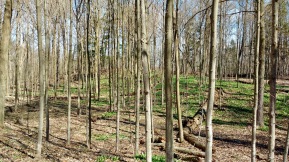
I love spring. It’s the cool breeze, the warm sunshine, and the burst of color that gets me feeling like that little kid exploring and foraging the back 40 at my grandparent’s cottage for wild blueberries. This weekend, a few friends and I from the department headed up to the University of Toronto Koffler scientific reserve located on the Oak Ridges Moraine in King Township, Ontario (just an hour north of downtown Toronto!) to check up on the progress of our beloved spring ephemerals. Behind the field of queen ann’s lace housing a mating pair of redwing blackbirds and the pond of pumpkinseed fish and painted turtles, the west woodlot holds some of my favourite flowers.
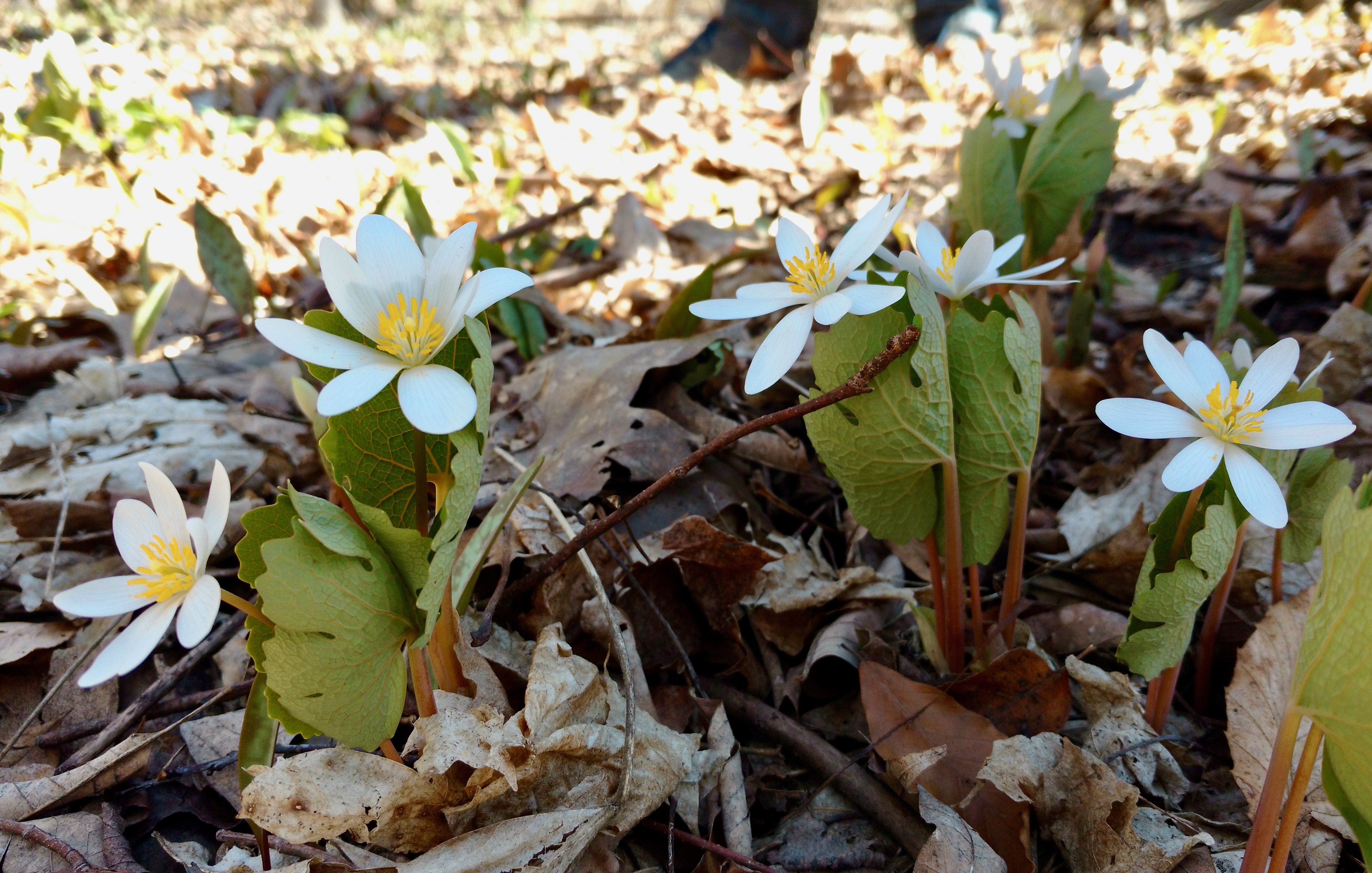
The only species in its genus, the perennial bloodroot (Sanguinaria canadensis) lit up the forest floor with its vibrate white petals and yellow anthers and stigma.
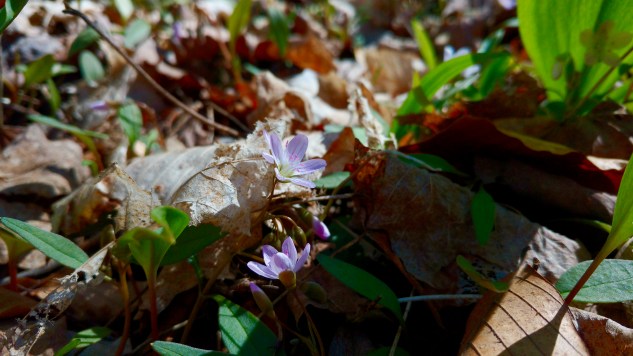
Walking through a field of wild leek (Allium tricoccum) where the smell was enough to evoke a tear-duct response reminiscent of chopping fresh onions, we stumbled across these spring beauties (an apt name, but less imaginatively known as Claytonia caroliniana). Spring beauty actually refers to two distinct species of Claytonia, but these guys are differentiated from their sister species, C. virginica, by their broad cauline leaves (not pictured below).
Blue cohosh (Caulophyllum thalictroides) was just coming into flower, and one lonesome cluster of Hepatica stuck out on the edge a ravine that was surely flowing not too long ago.


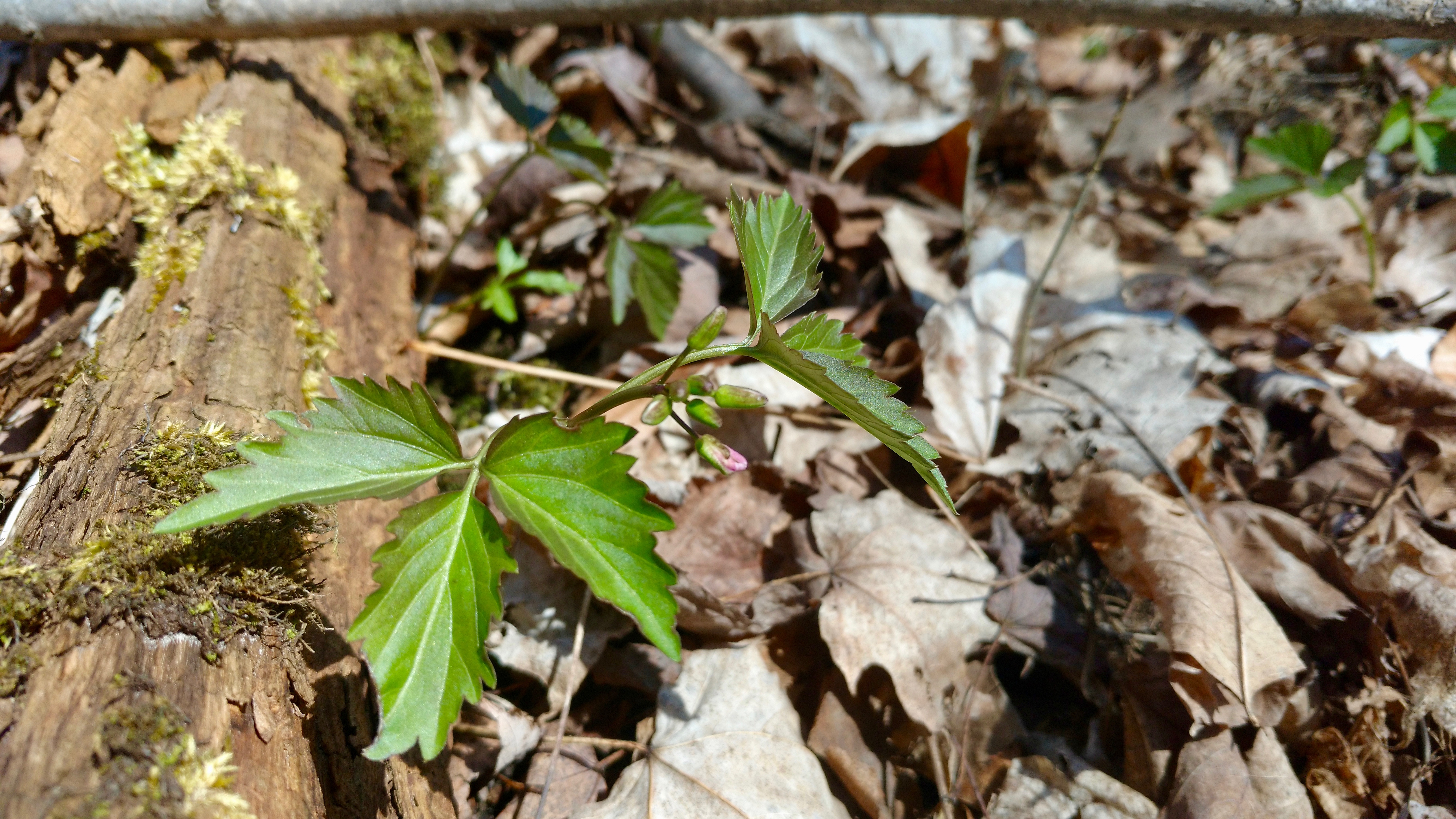
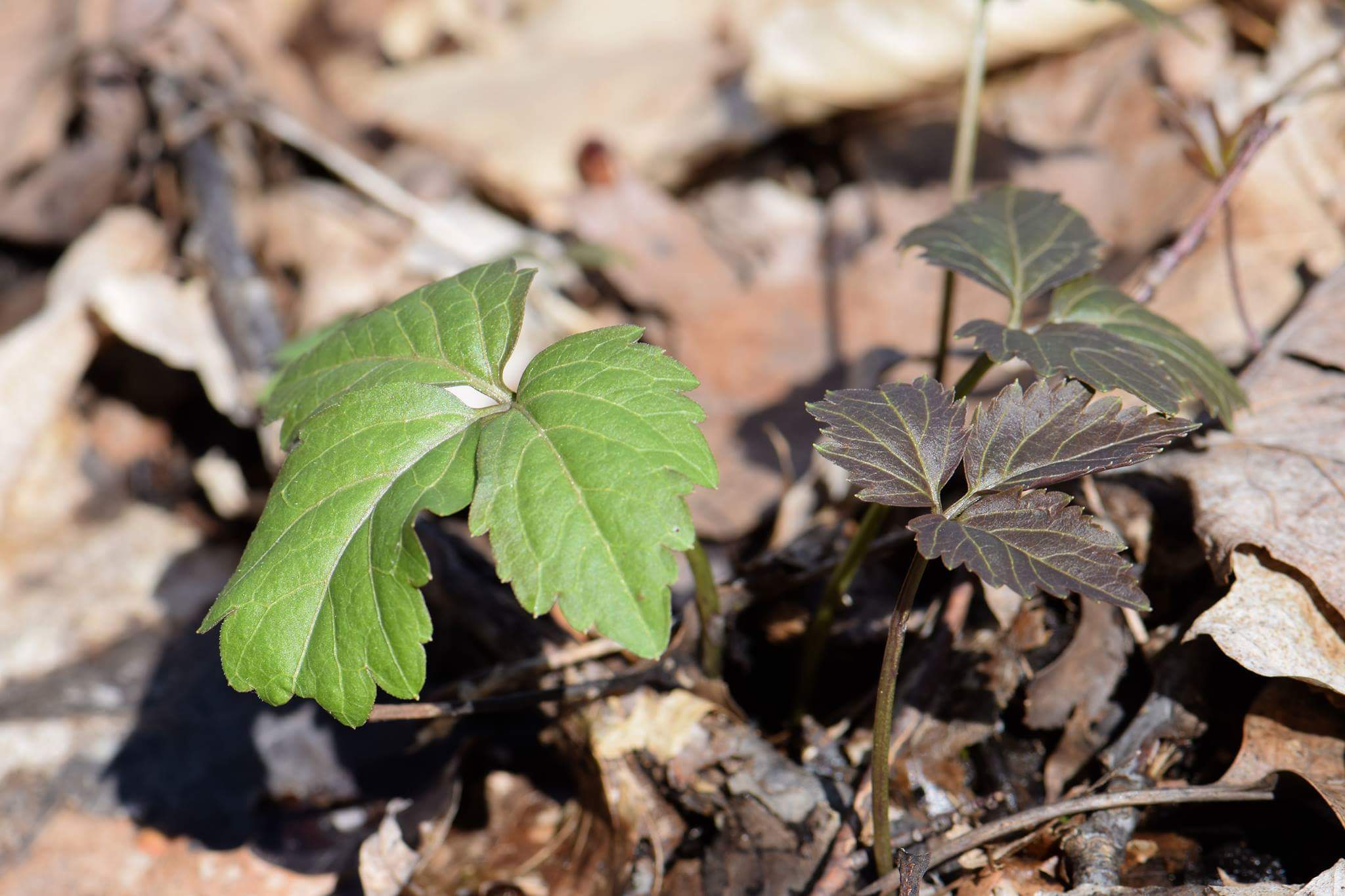
But what I really came for was my darling Brassicaceae. I know, I know, most people think of plants in the mustard family as either weedy or agricultural, but usually far from a native forest understory species occurring in pristine, moist woods. More than just another species in my study family, Cardamine diphylla or toothwort was one of the first species I science-d! I refer to both it, and its sister species, Cardamine concatenata (the couple having been originally assigned to the genus Dentaria) in my paper on the frequency of unreduced gametes in natural populations as they both have extremely elevated levels of production. Both of these species have mega variation in cytotype (from 20 – 30 whole genome copies, and 96 – 240 chromosomes!!) and are predominantly asexual. Despite flowering, fruit (and seeds) can rarely be found on these guys—reproduction occurs clonally via propagation of underground modified stems, called rhizomes. It might actually make sense then, that there has been relaxed selection on their genes for reproducing sexually, accounting for the sizable proportion of unreduced gametes produced. In this population at KSR, there was some pretty cool variation in both color and size (pictured below). I’m pretty curious as to whether this variation coincides with variation in cytotype, as past analyses of the species for genome size have definitely aligned with the phenotypic variation we saw in the population. Maybe I’ll do some collections, but either way, I’ll have to go back up in the next week or two to see C. diphylla in flower.
 Kreiner Lab